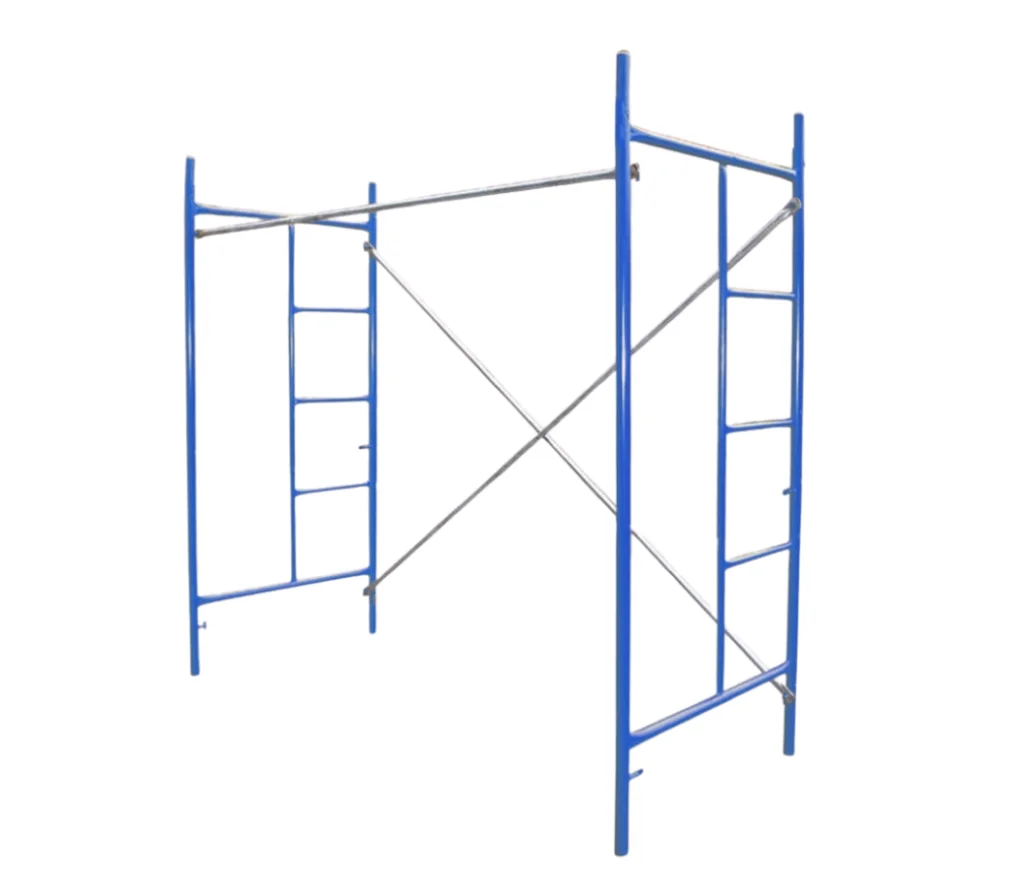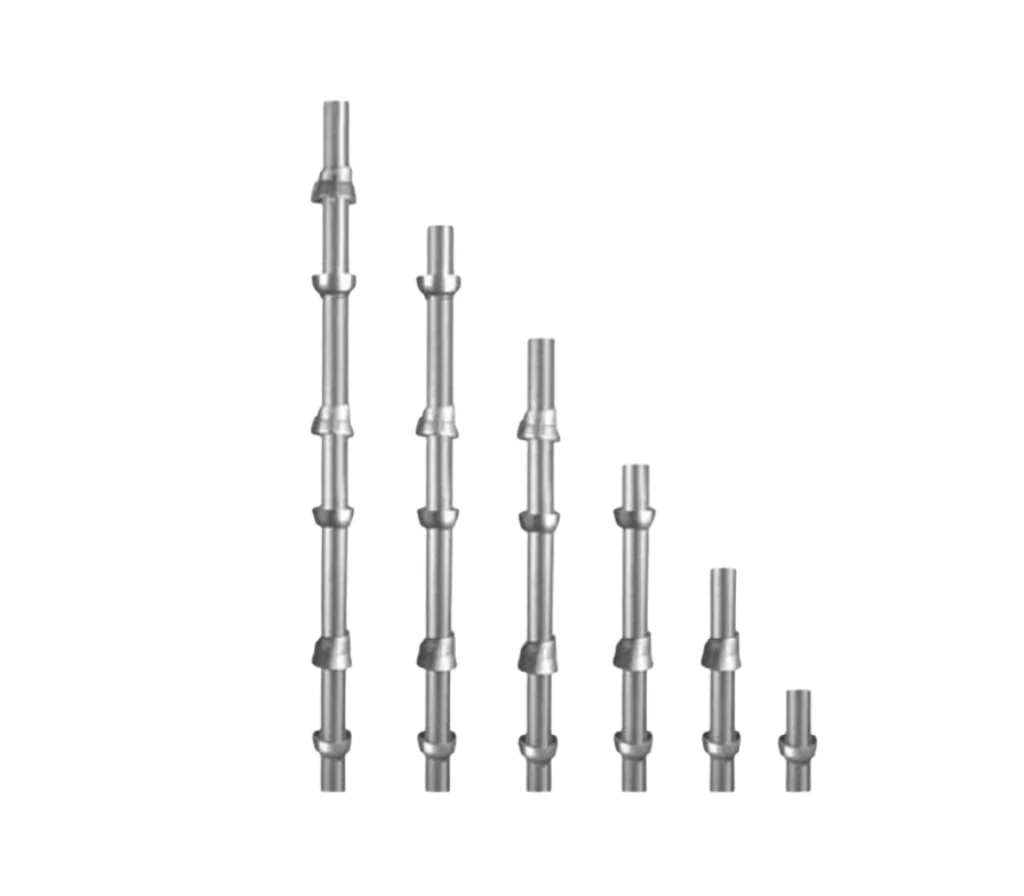
Access versus support
The words are often used loosely, and on site the same components can appear in both, so the confusion is understandable. The difference is in what the structure is for.
An access scaffold exists so that people can reach the work. It carries the people on its platforms, their tools and the materials they are using, and it is built around the structure it gives access to.
Shoring exists to hold something up. It carries formwork and wet concrete during a pour, or supports part of a structure while it is built, altered or repaired. Nobody is meant to work from shoring as if it were an access platform.
Why shoring loads are different
The loads on an access scaffold come mainly from people and the materials they place on the platforms, spread across the boards. The loads on shoring come from the structure itself — concrete, formwork, steel — and they can be much heavier and concentrated at the heads of the supports.
Shoring loads are also sustained and sometimes change as work proceeds: a slab is heaviest while wet, and loads shift as concrete is placed. The shoring design accounts for how the load arrives as well as how large it is.
Because of this, shoring is designed for its specific load case, with the spacing of its supports, its bracing and its foundations worked out for that job. An access scaffold design does not carry over to support work.
Props, shoring and formwork together
On a concrete frame the three often work side by side. Formwork forms the shape, adjustable props or shoring towers carry it, and access scaffolding around the edge lets the trades work on the slab and the facade.
Each part has its own design and its own sequence. Shoring is struck only when the engineer responsible confirms the concrete can carry itself, while the access scaffold may stay up long after for the trades that follow.
Planning them together — from the same drawings and the same site inspection — avoids clashes between the support beneath a slab and the access around it.
When an access scaffold must not be used as support
An access scaffold should not be used to prop formwork, to carry a load hung from it, or to support part of a structure unless its design says it can. Its platforms, ties and standards were not sized for those loads.
The reverse also applies: shoring should not be boarded out and used as a working platform unless it has been designed and handed over for that purpose too.
When the job needs both, ask for both — designed together, with each one's purpose clear on the drawings.