The short answer
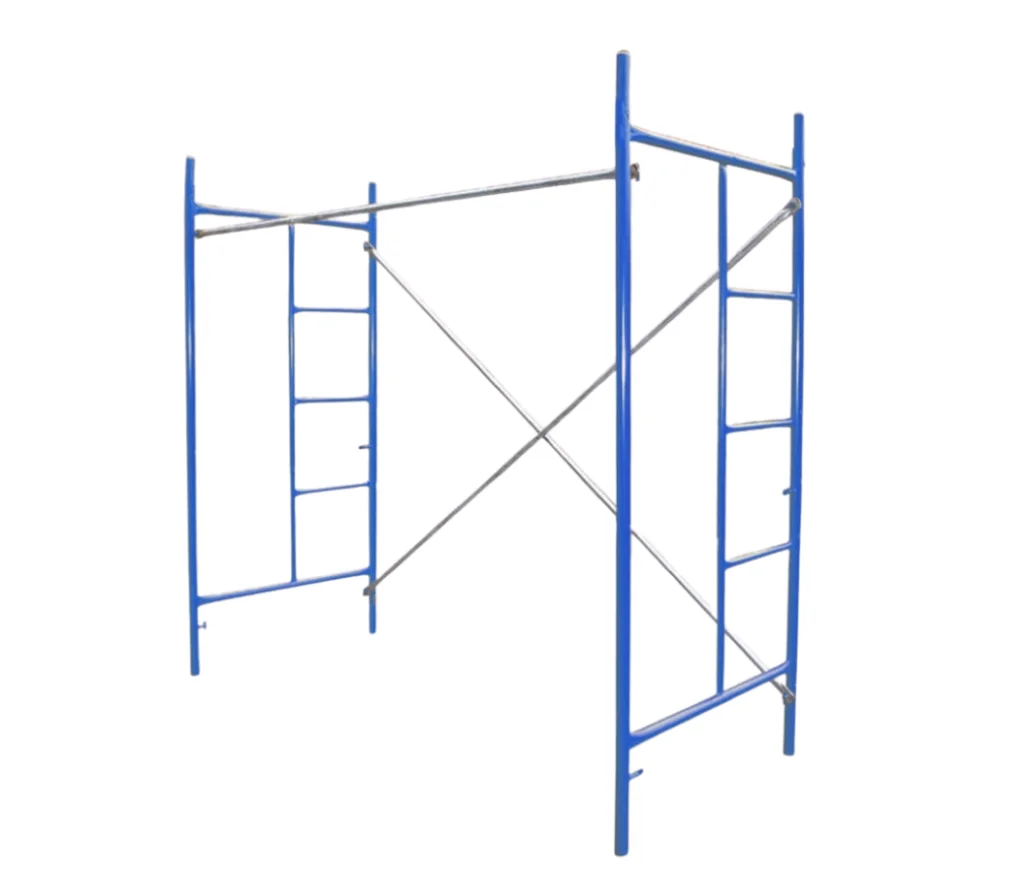
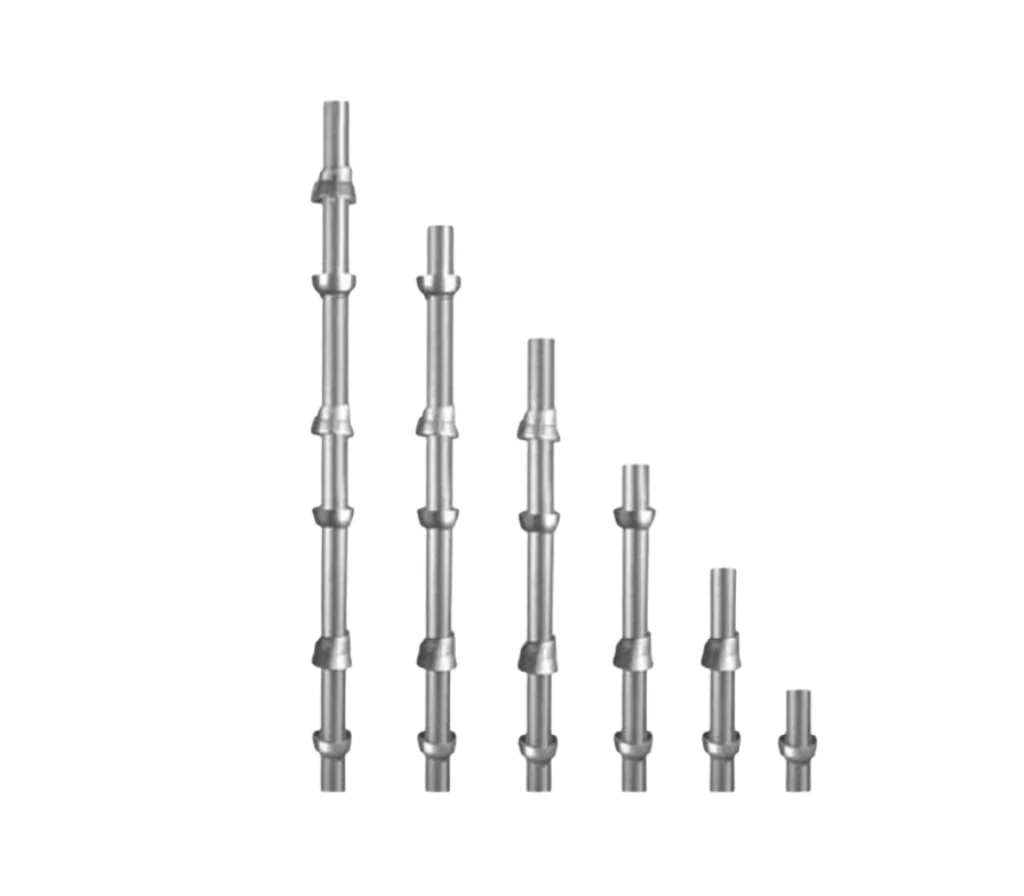
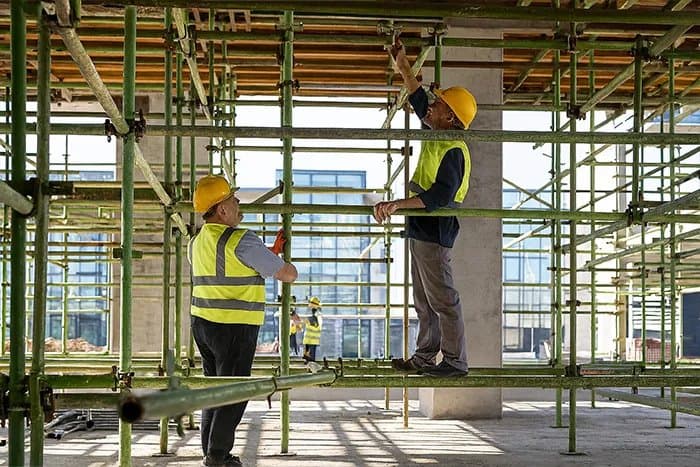
The three systems solve the same problem in different ways. H frames trade flexibility for speed by prefabricating whole frames. Cuplock keeps a modular, fixed-node structure that can be reconfigured and loaded more heavily. Tube and fitting gives up speed entirely in exchange for being able to follow any shape.
So the first question is not which system is best, but what the job looks like. Regular and repetitive points to frames; regular but loaded or reconfigured points to cuplock; irregular points to tube and fitting.
Each system is explained in its own guide. This one compares them side by side and shows how the choice is usually made.
Side by side: geometry, speed, loads, labour
Geometry. Frames fix both the bay and the lift. Cuplock fixes the lifts to the spacing of its cups but allows bays to be arranged in more ways. Tube and fitting fixes nothing: any member can be placed at any point.
Speed and labour. Frames are usually fastest on a regular run because a single component makes most of a bay. Cuplock is quick because its nodes lock without loose fittings. Tube and fitting is the slowest and most labour-intensive, because every joint is made by hand with a coupler.
Loads and support work. The capacity of any scaffold comes from its design — bays, lifts, bracing, ties and foundation — rather than from the system's name. In practice, cuplock is the system most often configured for heavier duty and for shoring, frames are chosen for access, and tube and fitting carries whatever its design allows wherever it can be shaped to fit.
Three jobs, three choices
A long, straight facade on a building under construction, with the same bay repeating along its length and a need to get access up quickly: frames are a natural fit, braced and tied as the building rises.
A frame structure where the access has to carry trades and their materials, and where the slabs above also need temporary support during the pour: cuplock can provide the access around the outside and the shoring beneath, from the same stock.
A process plant with pipe racks, vessels and steelwork at every level, where platforms are needed at particular heights to reach valves and flanges: tube and fitting is shaped around the plant in a way no fixed-node system can match.
Mixing systems on one project
Real projects rarely use one system everywhere. A modular or frame scaffold often runs along the regular faces of a building, with tube and fitting filling in at corners, returns, canopies and anywhere the structure stops being regular.
Mixing works when the interfaces are designed rather than improvised. Where two systems meet, the connection, the ties and the loads at that junction need the same attention as the rest of the scaffold.
It also affects the material list. A mixed scaffold needs components from each system in the right quantities, which is one more reason the list should come from a drawing rather than an estimate.
Letting the design decide
The fairest way to choose is to describe the job rather than to name a system: what has to be reached, how regular the structure is, what the platforms will carry, how long the scaffold will stand and whether it has to change as the work moves.
With that description, a design can propose the system — or the combination — that suits the structure, and show the bays, lifts, ties and quantities that follow from it.
Steel scaffolding components, tubes and fittings are supplied for hire or purchase, and design and load planning is available as a service in its own right.