Why heat is a work-at-height risk
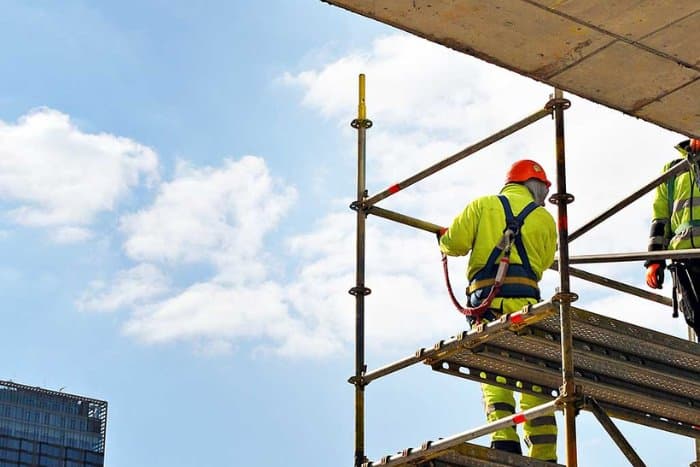
Heat affects the things that keep people safe at height: concentration, balance and grip. As a hot shift goes on, people tire, sweat makes hands and tools slippery, and judgement slips — exactly when someone is carrying material along a platform or reaching from it.
Heat illness can also come on with little warning, and someone who becomes unwell on a platform is harder to help than someone on the ground.
So in a UAE summer, planning for heat is part of planning the work at height, not a separate welfare issue.
Planning the working day
Heavy and exposed work is scheduled for the cooler parts of the day where the programme allows: early starts for erection and dismantling, and lighter or shaded tasks when the heat is at its peak.
Sites follow whatever rules on working hours and outdoor work apply to them during the summer months, and those rules are built into the programme rather than treated as interruptions to it.
Allowing for heat in the programme also means accepting that output per hour falls in the hottest weeks — and planning the access for that, instead of pushing crews to make up time.
Handling, grip and hot metal
Steel and aluminium left in the sun become hot to the touch. Gloves suited to the task protect hands and help grip, and material stored in shade is easier and safer to handle.
Lighter components help, but they do not remove the risk: tired people still drop things and still lose balance. Loads are kept to what can be handled with control, and material is passed up rather than carried up ladders.
Toe boards and brick guards matter more when tired hands are working near an edge, because they stop a dropped item becoming a falling object.
Water, shade and rotation
Water is kept within easy reach, including on or near the platform for long tasks, so nobody has to climb down to drink. Shaded rest areas give crews somewhere to recover between spells of exposed work.
Rotating people between exposed and less exposed tasks spreads the load through the shift. New arrivals and people returning from time away are given time to adjust to the heat rather than starting on the hardest work.
Everyone on the scaffold should know the signs of heat illness and what to do — and should feel able to stop and come down if they or a colleague are struggling.
Inspection does not pause in summer
Heat and sun do not loosen a scaffold the way wind does, but long, hot days put pressure on routines. Inspections, handovers and the checks users make before stepping onto a platform carry on at their normal intervals.
Sheeting, netting and fixings exposed to strong sun are checked for wear, and anything that has degraded is replaced.
On-site safety advice covers safe access arrangements and scaffold inspection routines, with briefings coordinated with the main contractor.