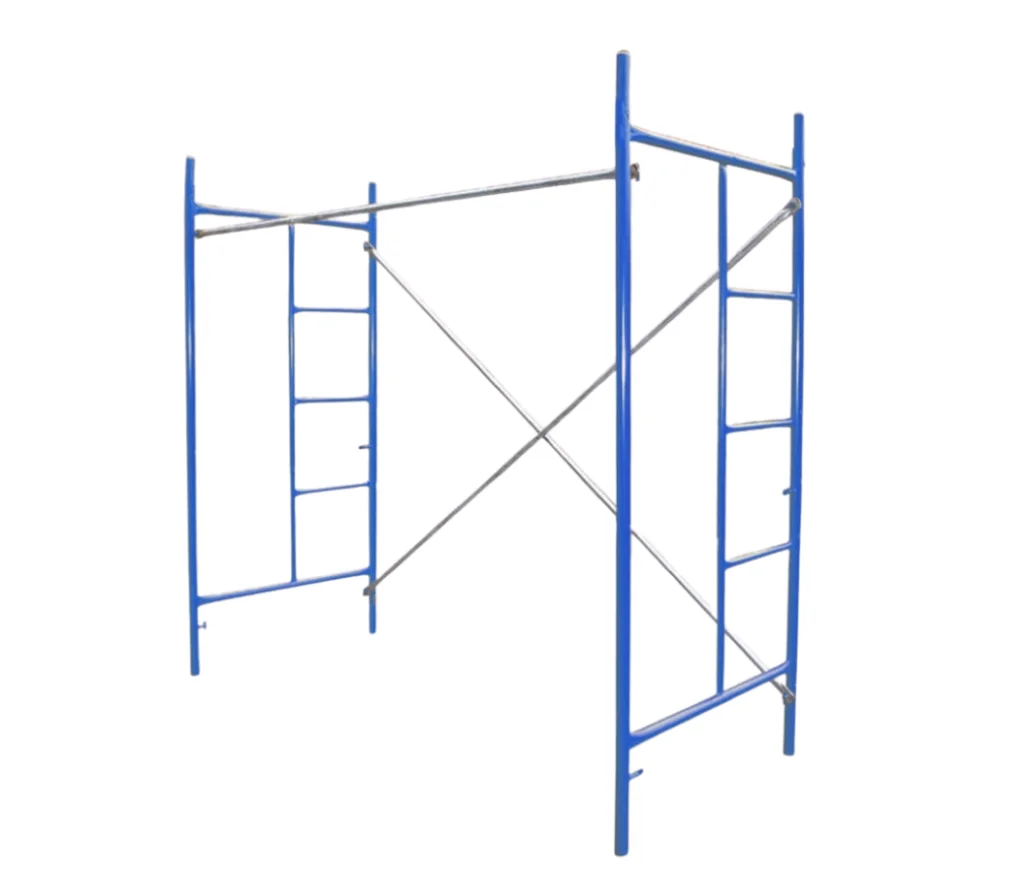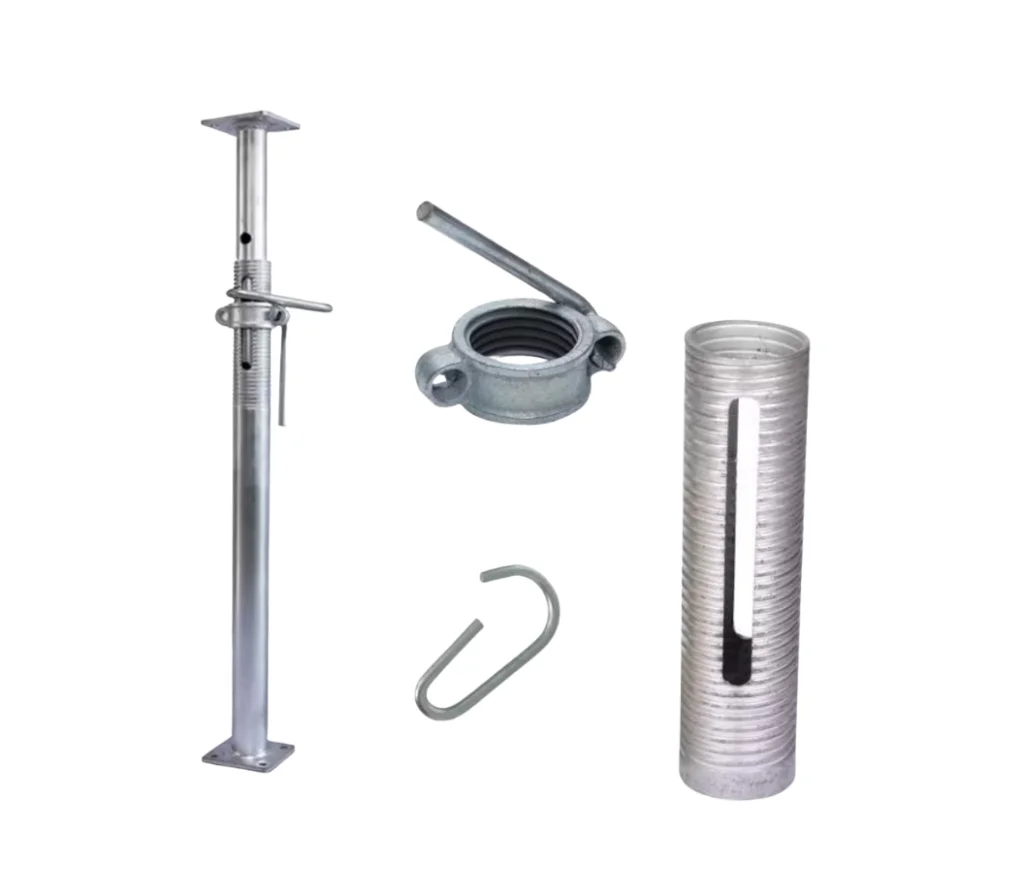
Collective first, personal where needed
On a finished scaffold, guardrails and toe boards protect the people working on it. Personal fall protection is for the situations where that collective protection is not yet in place or cannot be: while the scaffold is being erected or dismantled, at an unprotected edge during a change, or where work has to be done beyond the protected platform.
It is a second line of defence, not a substitute for the first. If a task can be done from a protected platform, that is the better way to do it.
Where personal protection is used, it is planned for the task — which anchor, which lanyard, who checks it and how a fallen person would be recovered — before the work starts.
Harness, lanyard and anchor
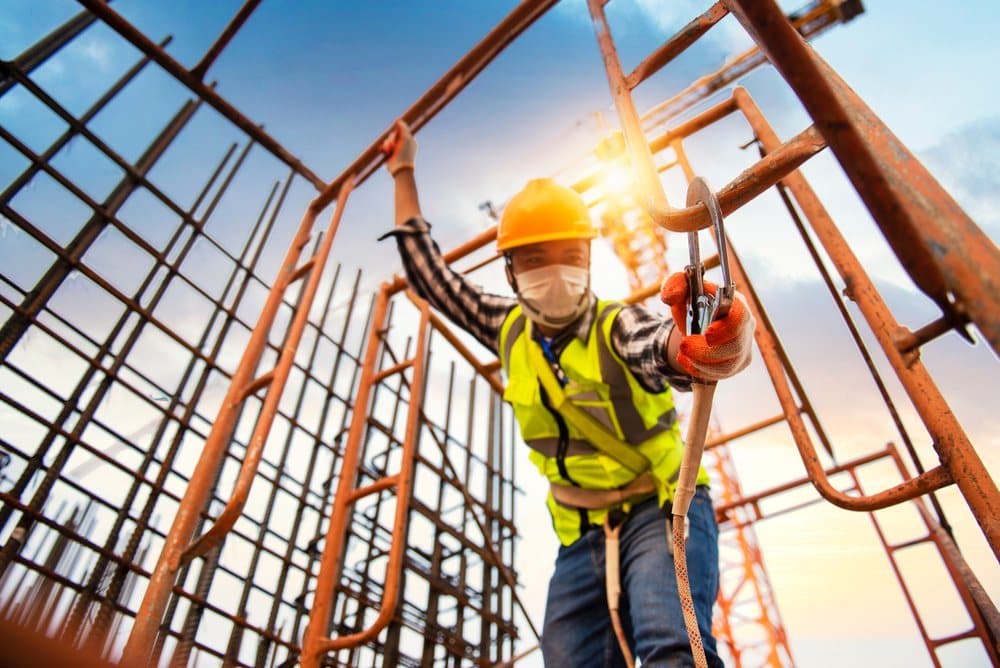
A full-body harness spreads the forces of a fall across the body and keeps the wearer upright. It is adjusted to fit the person wearing it; a loose harness does not do its job.
The lanyard connects the harness to an anchor. Its type and length are chosen so that a fall is arrested before the person reaches anything below, which means the clearance beneath the work position matters as much as the equipment itself.
The anchor is the part most often overlooked. It has to be strong enough for the forces of a fall and positioned to limit the fall, and on a scaffold it is a point the scaffold's design or the equipment's instructions identify as suitable — not any convenient tube.
Fall protection during erection and dismantling
Erection and dismantling are when a scaffold is least protected, because the guardrails that will protect later users are not yet installed — or have just been removed.
Scaffolding teams manage that period with a planned method: installing protection as early as possible in each lift, working from protected positions where they can, and clipping on where they cannot.
Other trades are kept off a scaffold that is still being erected or dismantled. A partly built scaffold is not handed over and is not a place to work.
Inspection of harnesses and lanyards
Personal fall protection is checked by the user before every use — webbing, stitching, buckles, connectors and the lanyard — and examined in more detail at intervals by a competent person, with records kept.
Any item that has arrested a fall, or shows damage, is taken out of use and not returned until it has been examined, following the manufacturer's instructions.
Equipment is stored clean, dry and out of direct sun, because heat, chemicals and abrasion all shorten its life.
Rescue planning
A person whose fall has been arrested is not yet safe. Hanging in a harness becomes dangerous quickly, so the plan for getting them down is part of the fall-protection arrangement from the start.
The rescue plan names who will carry it out, with what equipment, and how they will reach the person — and it is practised, not just written down.
Safety equipment is quoted with the material list for the job, and on-site safety advice covers safe access arrangements, briefed alongside the main contractor.