What a tie does
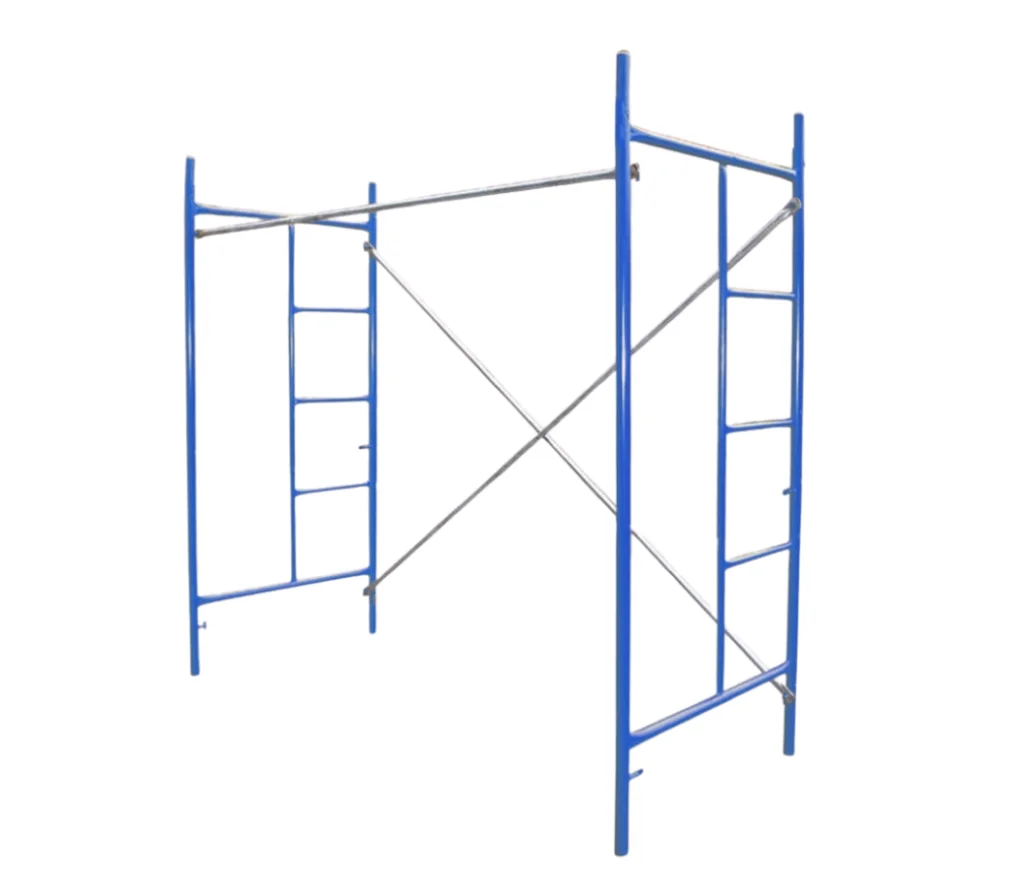
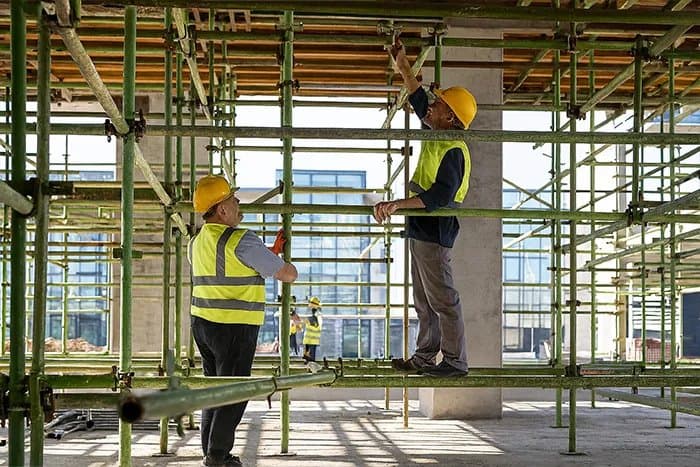
An independent scaffold stands on its own legs beside a building, but it is tall and narrow compared with its base. Ties connect it to the building at intervals so that it cannot move outwards, away from the face, or inwards towards it.
Ties do two jobs at once. They keep the scaffold upright against the forces that would push it over — wind, people working, materials being moved — and they keep its standards in line, which helps the whole structure carry its load.
A scaffold that is not tied as its design requires is not the scaffold that was designed, however complete it looks.
How tie positions are decided
The number and spacing of ties come from the scaffold design. The designer considers the height and length of the scaffold, the loads on its platforms, what is attached to it, how exposed it is to wind and what the building offers to tie into.
Ties are placed where the structure can take them — into a slab edge, a column, a sound wall, an opening — and the design shows where each one goes. Where the building offers nothing suitable at a required position, the design deals with it rather than leaving a gap.
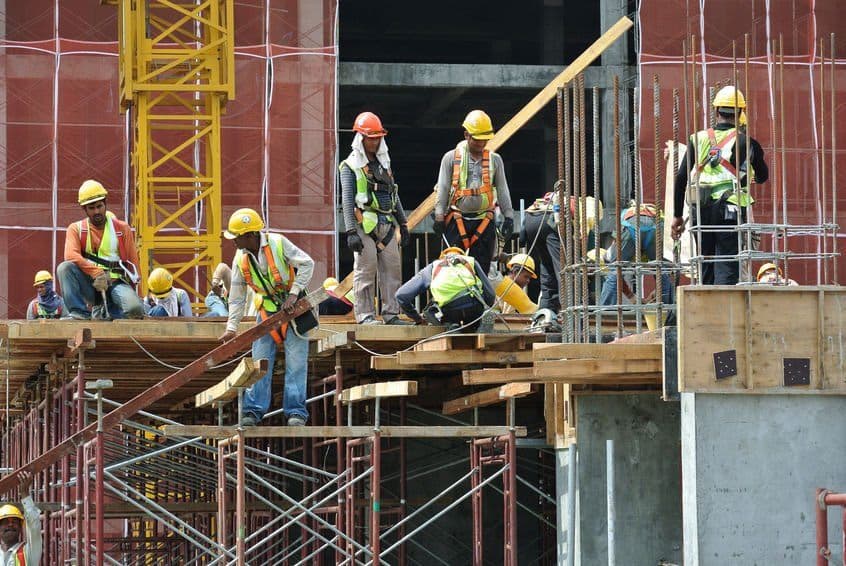
Ties go in as the scaffold rises. On a building under construction they are added as each level of the structure becomes available, so the scaffold is never standing higher above its last tie than the design allows.
Types of tie
Different buildings call for different ties. Some pass through openings such as windows and clamp to the structure on the inside; some wrap around a column or beam; others are fixed into the structure with an anchor.
Each type has its own way of carrying load and its own checks. Anchored ties, for example, depend on the anchor and the material it is set into, which is why their suitability is part of the design rather than assumed.
Whatever the type, a tie is connected to the scaffold close to a node so the load passes into the structure of the scaffold properly.
Sheeting, netting and extra ties
Covering a scaffold with sheeting or netting turns an open frame that wind passes through into something closer to a sail. The force on the scaffold rises, and so does the load on every tie.
A sheeted or netted scaffold is therefore designed for that condition, and generally needs more ties than the same scaffold left open. Adding sheeting to a scaffold that was not designed for it is a change to the design.
The same applies to anything else attached to the scaffold that catches the wind, such as signs, banners or hoarding panels.
Moving or removing a tie
Ties often get in the way of other trades — a window to be fitted, a section of facade to be clad — and the temptation is to take one out for a while. Removing a tie without authority is one of the most serious alterations that can be made to a scaffold.
Where a tie has to move, the person responsible for the scaffold arranges a replacement first, in a position that keeps the scaffold within its design, and only then is the original removed. The scaffold is inspected after the change.
During dismantling, ties are removed lift by lift as the scaffold above them comes down, never in advance. Every scaffold design issued includes its tie positions for exactly this reason.