The short answer
The right access depends on the task, not on what happens to be on site. A ladder, a tower and a scaffold each have a job they do well and jobs they should not be used for.
Duration, height, how much the work moves, what has to be carried and how many people are involved decide the answer — usually in that order.
When the answer is not obvious, describing the job is better than choosing the equipment first.
Ladders: access, not a workplace
A ladder is the right choice for getting from one level to another and for short, light tasks where a person can keep three points of contact and does not have to stretch or carry much.
It is the wrong choice for work that takes long, needs both hands, involves heavy or awkward materials, or requires reaching sideways. A person on a ladder has no platform, no edge protection and very little room to move.
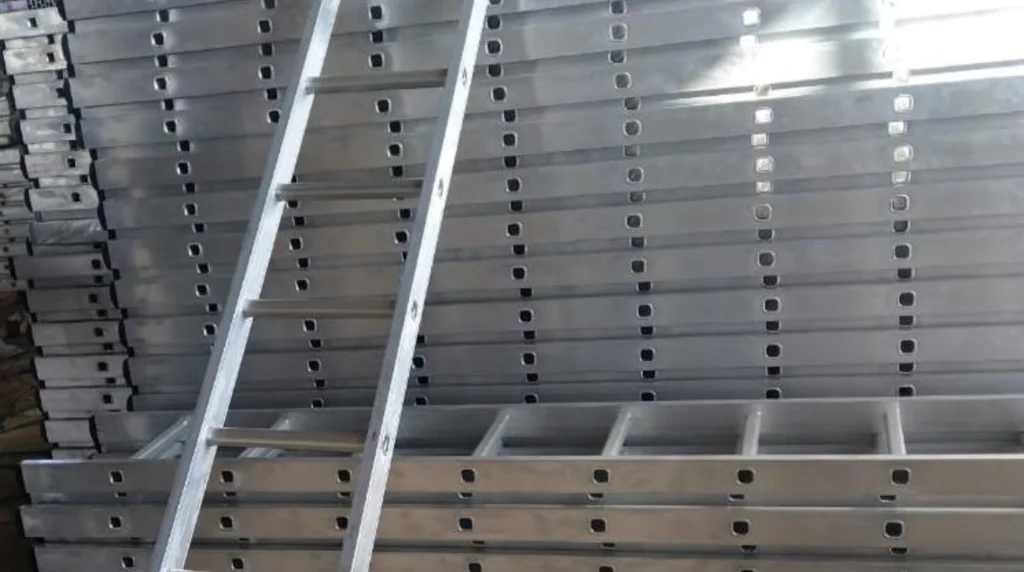
On scaffolds, ladders are mainly used as access between lifts, secured and arranged so that people step onto a protected platform.
Towers: a platform for one trade
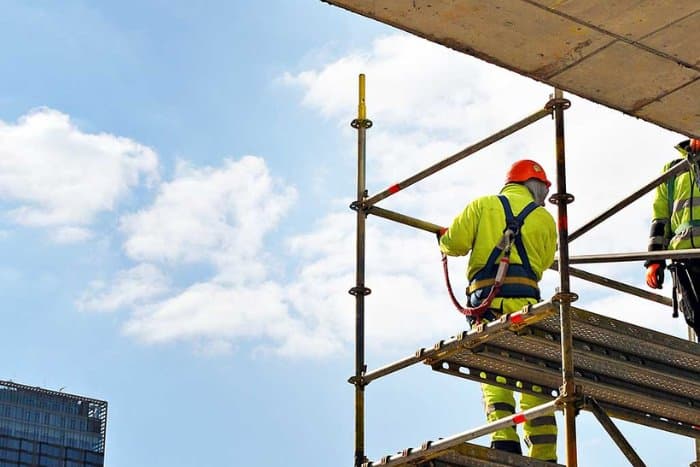
A mobile or static access tower gives a single trade a stable working platform with guardrails and toe boards, at a height chosen for the work face. It suits jobs that last hours or days in one place, or that move along a wall or between rooms.
Aluminium towers are light enough to be built, moved and struck by a small team, which makes them practical inside buildings and for maintenance and finishing work.
Towers have limits: they need firm, level ground, room for any stabilisers, and they are built only to the configurations their instructions allow. They are not a substitute for a scaffold on long elevations or heavy work.
Scaffolds: long, wide or shared work
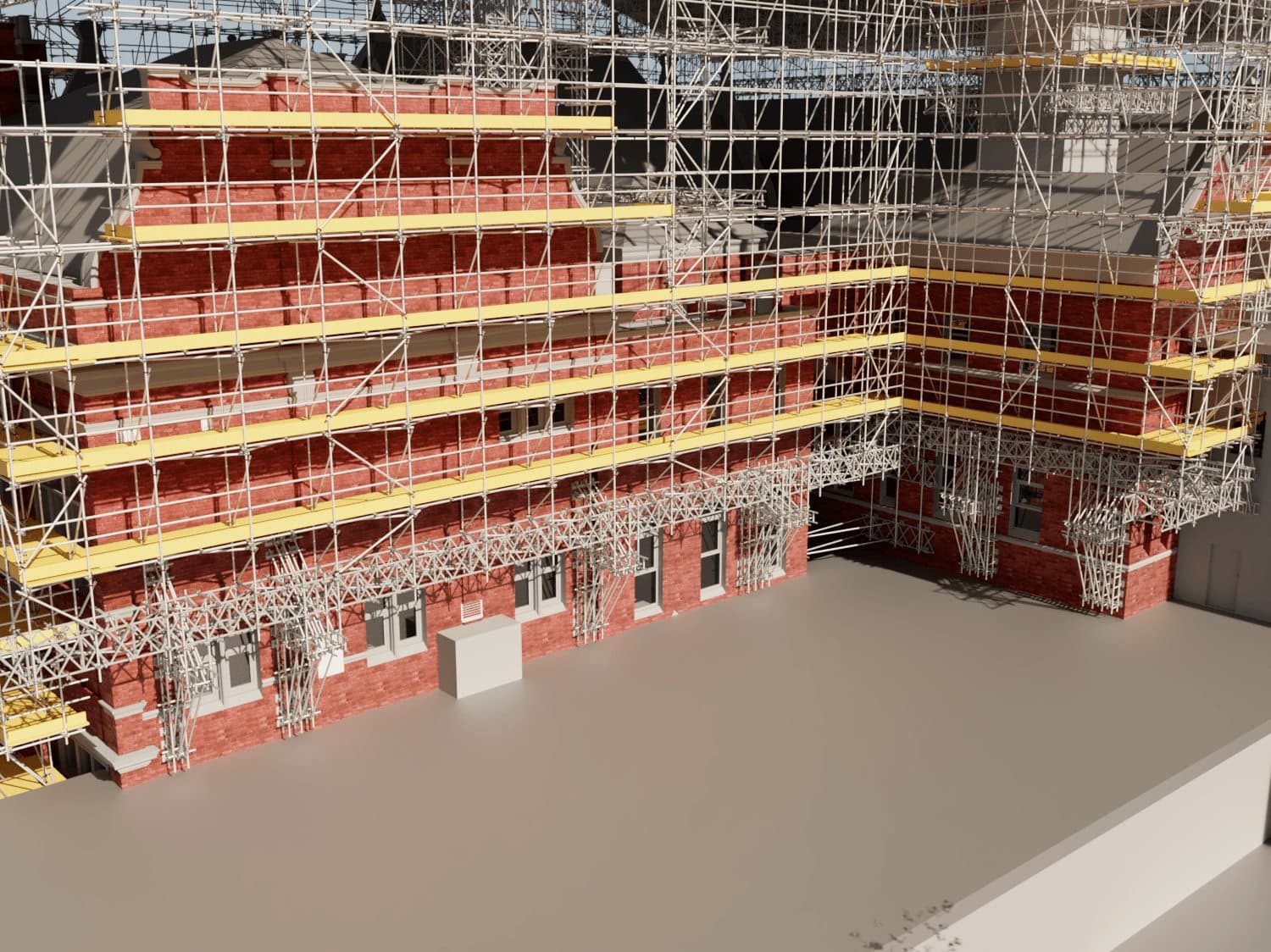
A scaffold is the answer when the work is long — weeks or months — or wide, covering a whole elevation; when platforms have to carry materials as well as people; or when several trades need access at once.
It is designed for the structure and the loads, tied to the building, and adapted as the work progresses, which a tower cannot be.
The cost and time of erecting a scaffold are justified by the amount of work done from it. For a short job in one place, a tower often makes more sense.
Five questions that decide it
How long will the work take? How high is the work face? Does the work stay in one place or move? What has to be carried up and used at height? How many people, from how many trades, need to be there at once?
Short, light and single-handed points to a ladder; hours or days for one trade points to a tower; long, heavy or shared points to a scaffold. The ground and the space available then confirm whether the chosen access can actually stand there.
Ladders, aluminium towers and steel scaffolding are all supplied from one place, so the access can match the task rather than the stock.