Start from the approved design
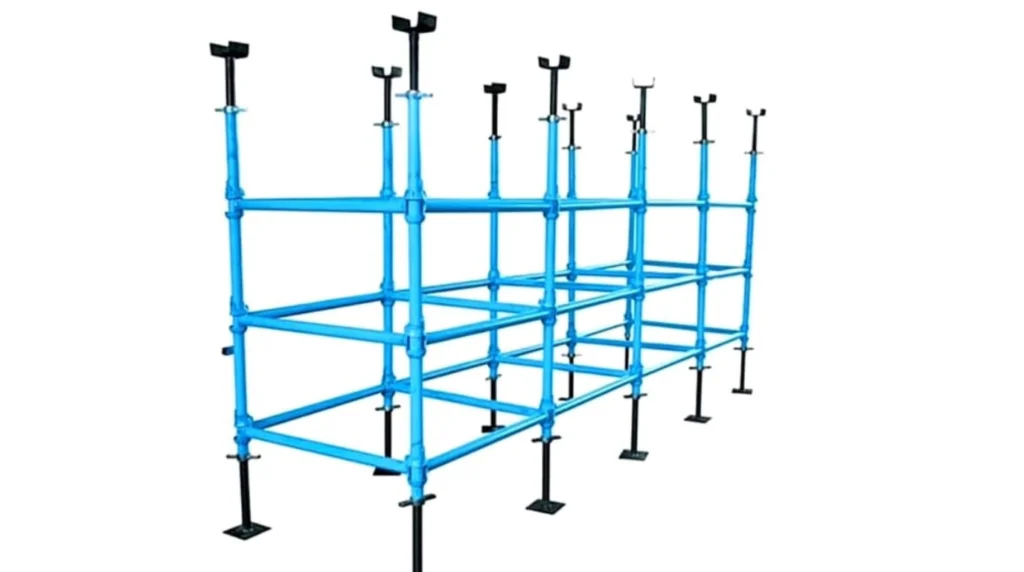
A tube and fitting scaffold has no fixed bays or nodes: every tube goes where the structure needs it, and every joint is made with a coupler. That flexibility is why the system is used on irregular structures and plant — and why its material list cannot be estimated reliably from a floor area.
The order should come from the approved design and its material list. If you are being asked to order before a design exists, the safest step is to get one; ordering first and designing later usually means two orders and leftover stock.
What a tube and fitting materials list includes
Most incomplete orders are missing the small items. Work through each group below against the design:
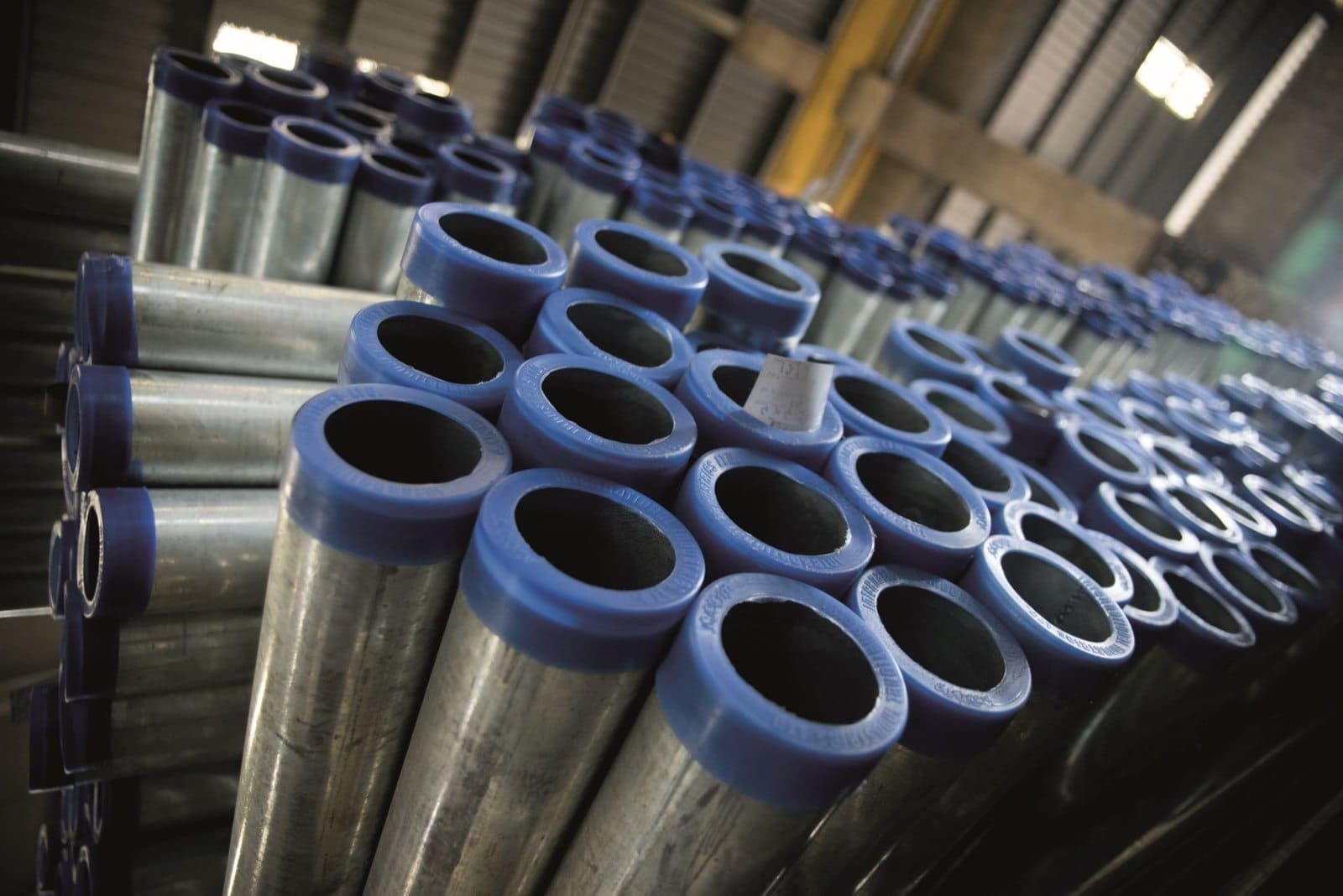
- Tubes, listed by length rather than as a total length, because each length does a different job in the scaffold.
- Couplers by type — right-angle, swivel, sleeve or joint couplers, putlog couplers and any special fittings the design shows — each with its own quantity.
- Base plates or adjustable bases, and sole boards where the scaffold stands on ground.
- Scaffold boards for each working platform, and the boards or fittings that hold them.
- Guardrails, intermediate rails and toe boards for every open edge, with the fittings that fix them.
- Ties and their fixings at the positions the design shows.
- Access: ladders and their fixings, or stair units where the design uses them.
- Anything attached to the scaffold — sheeting, netting, loading bays — that changes the material it needs.
Checking that the components work together
Compatibility is the check most often skipped. Couplers are made for a particular tube outside diameter, so the tube and the couplers must be confirmed against each other, not only against a description. The same applies to boards and the spacing of the tubes that support them, and to bases and the tubes that sit in them.
Finish matters too. Mixing galvanised and uncoated tube on an outdoor scaffold leaves the uncoated members to corrode first, and mixing tube from different sources can bring slightly different dimensions into the same joints.
The simplest protection is to ask one supplier to confirm, in writing, that the tubes, couplers, boards and bases on the quotation are compatible with each other and with the specification.
Tube lengths and cutting
Ordering tube in the lengths the design uses reduces cutting on site, offcut waste and the time spent sorting stock. Where a design calls for non-standard lengths, ask whether the supplier cuts to length and how cut ends are finished.
If you hold tube already, compare its lengths with the design before ordering more: existing stock may cover some lines, provided it matches the specification and is in serviceable condition.
Allowing for losses and changes
Fittings go missing and designs change. Rather than adding an arbitrary percentage to every line, agree with the site who controls the material and how a top-up is requested, and ask the supplier how quickly and on what terms it can supply additional items.
On a job that will change as it progresses — a refurbishment, a plant with emerging work — say so in the enquiry, so the supplier quotes for the way the job will actually run.
How orders end up incomplete
- Quantities taken from an early sketch rather than the approved design.
- Tube ordered as a total length, with no breakdown by length.
- Coupler types merged into one line, so the right mix never arrives.
- Edge protection, toe boards or ties left for "later".
- Compatibility assumed rather than confirmed between tubes, couplers and boards.
Procurement checklist before you contact a supplier
If you can tick each of these, your enquiry will produce a quotation you can order from:
- Approved design and material list available, with its revision noted.
- Tubes listed by length, with material and finish stated.
- Each coupler type listed with its quantity.
- Bases, boards, guardrails, toe boards, ties and access included.
- Compatibility between tube, couplers and boards to be confirmed in writing.
- Existing stock checked against the specification before ordering more.
- Delivery site, dates and phasing known.
- Arrangements for top-ups and changes agreed with the site.
Sending the list to GH Scaffolds
GH Scaffolds supplies steel scaffolding components, tubes and fittings for hire or purchase from Ajman Industrial 2, and its design and load planning service can produce the drawings and material list if you do not yet have them. Send the list or the drawings through the contact page, with the delivery site and dates, and the quotation comes back as a material list you can check against this checklist.