Formwork and shuttering: the difference
The two words are often used for the same thing, and in everyday site language that rarely causes a problem. Strictly, shuttering is the facing — the panel, sheet or board the concrete touches — and formwork is the whole temporary structure that holds that facing in position.
The distinction matters when something goes wrong. A poor finish usually points to the shuttering: the face, its joints or the release agent. A form that moves, bulges or leaks under the pour points to the formwork behind it: the framing, walers, ties and props.
Both are temporary. They are designed to be set, poured against, struck and — where the material allows — cleaned and used again.
The parts that carry a pour
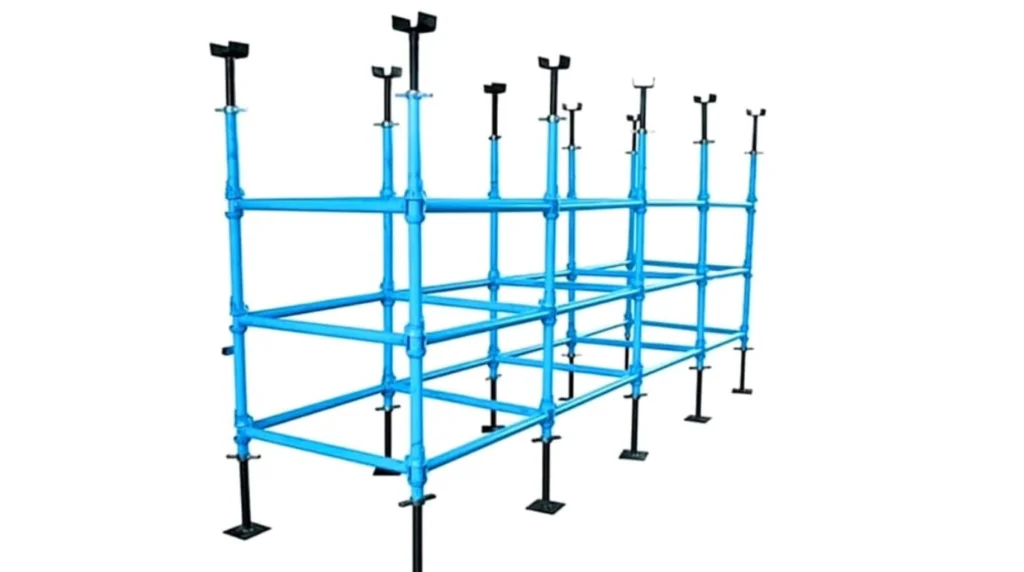
Behind the face, a form is built up in layers. Framing or studs stiffen the face so it does not bow between supports. Walers run across the framing and gather the load. Ties pass through the form to hold opposite faces together, and props or push-pull props hold the whole form in line and plumb.
The pressure of fresh concrete on a form is the load all of that has to carry. It depends on how fast and how high the concrete is placed, on the mix and on the temperature, and the figures for a particular pour come from the formwork design rather than a rule of thumb.
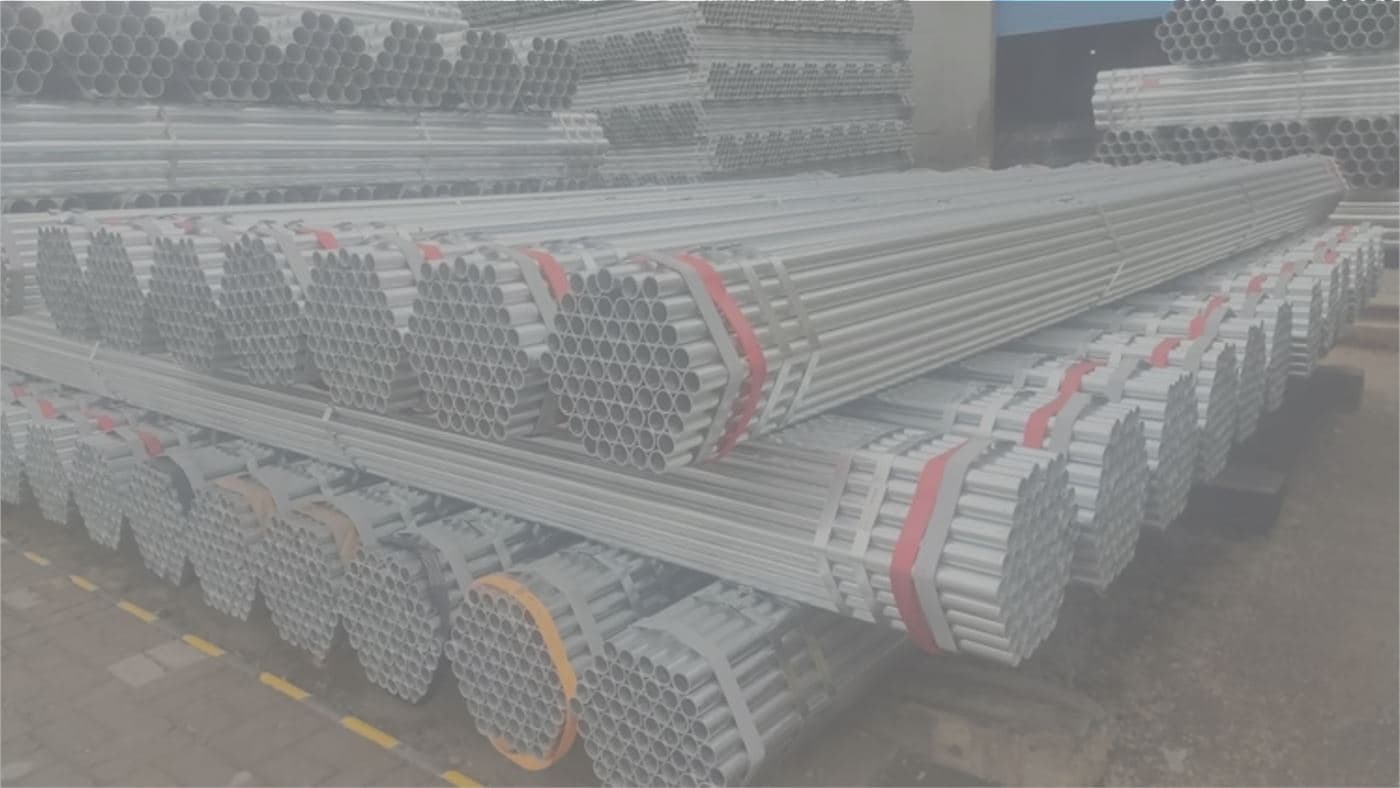
Steel framing and the support components are the parts that make a formwork system reusable. They carry the pressure of the pour back into the ties and props, and they keep their shape over many uses where a site-built timber form would not.
Wall formwork: two faces, ties and alignment
A wall form has two faces, one on each side of the wall, held apart at the wall's thickness and tied together through it. One face is usually erected first, the reinforcement is fixed against it, and the second face is closed up and tied once the steel has been checked.
The ties are what stop the faces spreading under the pour, so their spacing and type come from the design. Push-pull props set diagonally from the ground or slab hold the form plumb and resist wind while it stands empty.
Alignment is checked before the pour, not after: the form plumb, straight along its length and tight at its joints. Because the finished concrete takes the exact shape of the form face, a straight, tight form gives a straight wall and far less making-good afterwards.
Pouring: why the form must hold its line
Formwork is loaded most heavily while the concrete is being placed and compacted, not while it stands empty. The form has to hold its line under that pressure, under vibration and under the knocks of the work around it.
Concrete is generally placed in layers and compacted as it goes, at a rate the form was designed for. Pouring faster or higher than planned raises the pressure on the form, which is one of the commonest reasons a form moves.
Someone watches the form during the pour — ties, props, joints and line — so that any movement is seen while it can still be dealt with.
Striking and reuse
Striking is removing the formwork once the concrete can carry itself. When that point is reached depends on the element, the mix, the temperature and the loads that will come onto it, and it is set by the engineer responsible rather than by the calendar.
Wall and column faces are generally struck before soffits, which carry the weight of a slab and stay propped longer. Props are released in a planned sequence, not all at once.
Struck panels and components are cleaned, checked and repaired before reuse. A damaged face transfers its damage to the next pour.
Hiring or buying formwork
Formwork is hired where the shapes are particular to one project or the programme is short, and bought where the same system will be used across projects. Many jobs mix the two.
Elements that standard panels do not cover — awkward junctions, special shapes — are fabricated to the drawings, so the system fits the structure rather than the structure being bent to the system.
On this site, formwork and shuttering are supplied for hire or purchase as part of the access package, and the same teams that erect the scaffolding place and strike them.